X and Twitter ban service: what actually gets an account suspended
An X ban service (sold interchangeably as a Twitter ban service) reports a genuinely rule-breaking account through X's official channels; it does not delete accounts to order. The catch is X's own model. It limits the reach of most borderline posts instead of removing them, so only a narrow band of clear violations ever ends in a suspension.
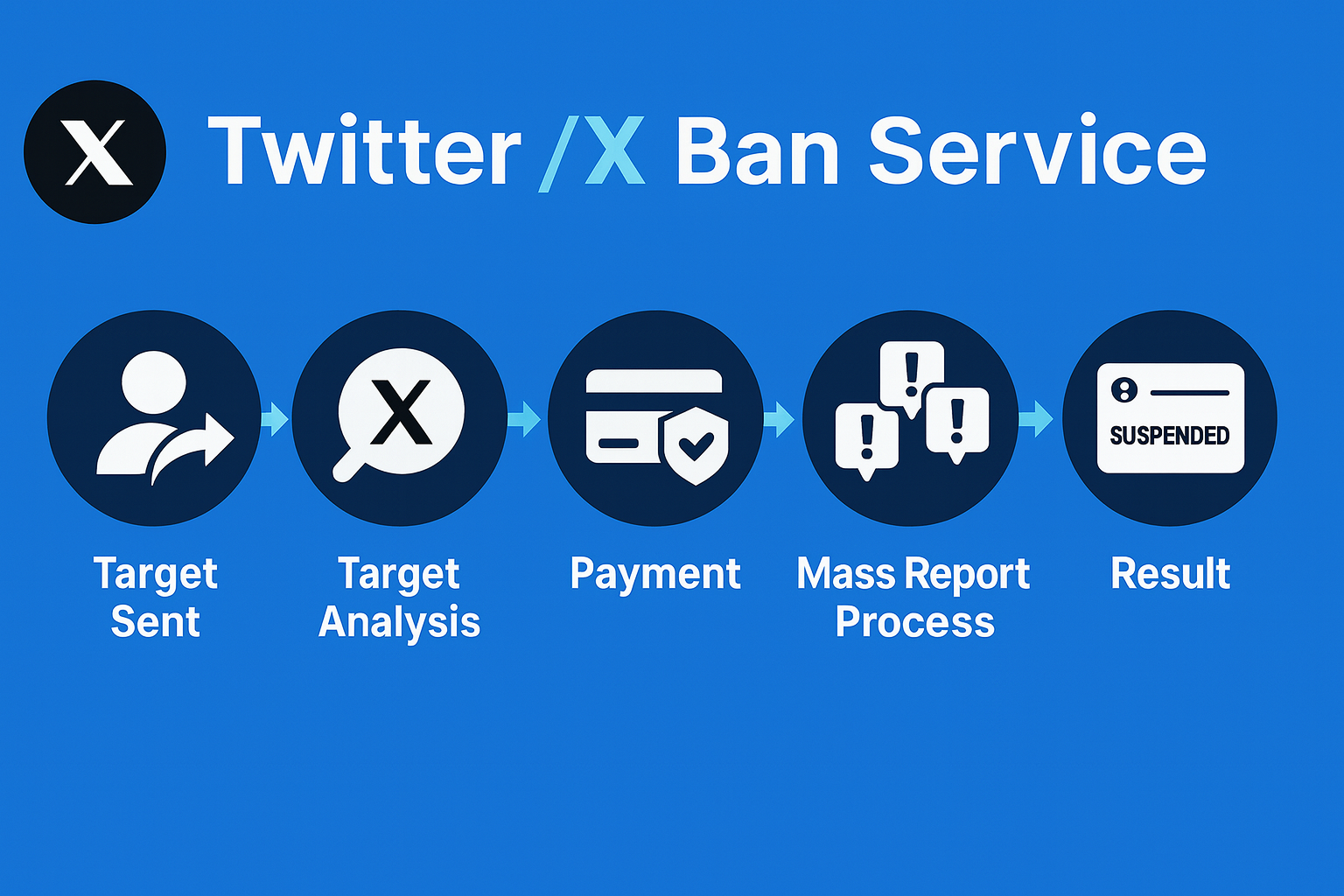
Is an X ban service the same as a Twitter ban service?
Yes. They are two names for one thing, because X is the platform formerly called Twitter, rebranded in 2023. People still search both ways, so a Twitter ban service and an X ban service describe the same job: getting a rule-breaking account reported and reviewed under the X Rules. The handle, the report button, and the underlying policies are identical whatever you call the app.
What has not stayed identical is the moderation behind them. The Twitter most older guides describe, with quick suspensions and a large trust-and-safety team, is not the X of today. Enforcement is leaner now and far more reach-based, which changes what any service can realistically deliver. If you would rather run the report yourself first, our walkthrough on how to get someone banned from Twitter covers the in-app flow step by step. A service simply does that casework to a tighter standard and routes it to the correct official form.
Why does X limit reach instead of banning most accounts?
Because X's stated philosophy is "freedom of speech, not reach." Rather than delete most borderline posts, X makes them harder to find: restricting their visibility, attaching a label, or limiting who can reply, while the account stays live. X's own range of enforcement options reads as a graded ladder, from a notice or label, to reduced visibility, to a temporary read-only lock, and only at the far end a permanent suspension.
For anyone hoping to "ban" an account, that distinction matters enormously. A post you find offensive may simply be down-ranked rather than removed, and the profile carries on as normal. Suspension is held back for the clear, serious breaches, not for opinions or an argument you lost. This is the single biggest reason no paid service can promise a takedown: on X, the default answer to most flagged content is quieter reach, as X set out in its 2023 enforcement-philosophy update, not a closed account.
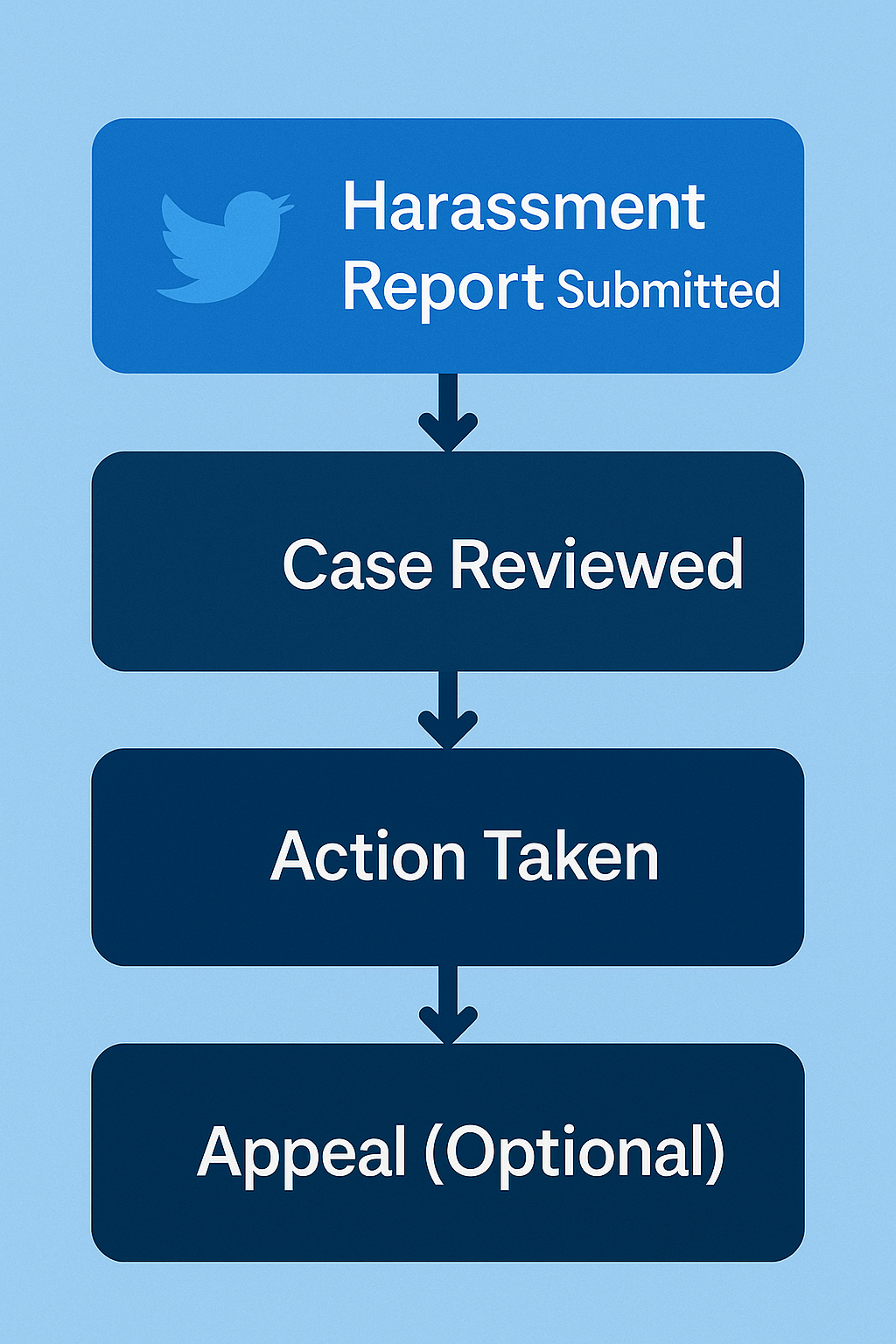
Which X violations can actually get an account suspended?
Only a handful of categories reliably cross from reduced reach to a full suspension, and they are the ones you can prove. Impersonation, ban evasion, coordinated platform manipulation, threats and targeted abuse, and plainly illegal content are where X removes accounts rather than just muting them. The scale is real: X suspended 5.3 million accounts in the first half of 2024, out of 224 million flagged by users, with 2.8 million of those suspensions for child sexual exploitation, per X's DSA transparency report.
| What you are reporting | Usual X outcome |
|---|---|
| Impersonation with no parody label | Forced label or suspension |
| Crypto giveaway scams and investment fraud | Post removal or suspension |
| Ban evasion, rebuilding a removed account | Suspension of the new account |
| Bot networks and platform manipulation | Bulk suspension |
| A bad take, criticism, or a lost argument | Usually nothing, or reduced reach |
If your complaint sits in that bottom row, no service and no bot will move it, because X has nothing to act on. For a fraud case, the evidence bar is the same one behind any solid online scam report: a named rule, dated captures, and direct links to the offending posts.
How do you report an impersonation or fake parody account on X?
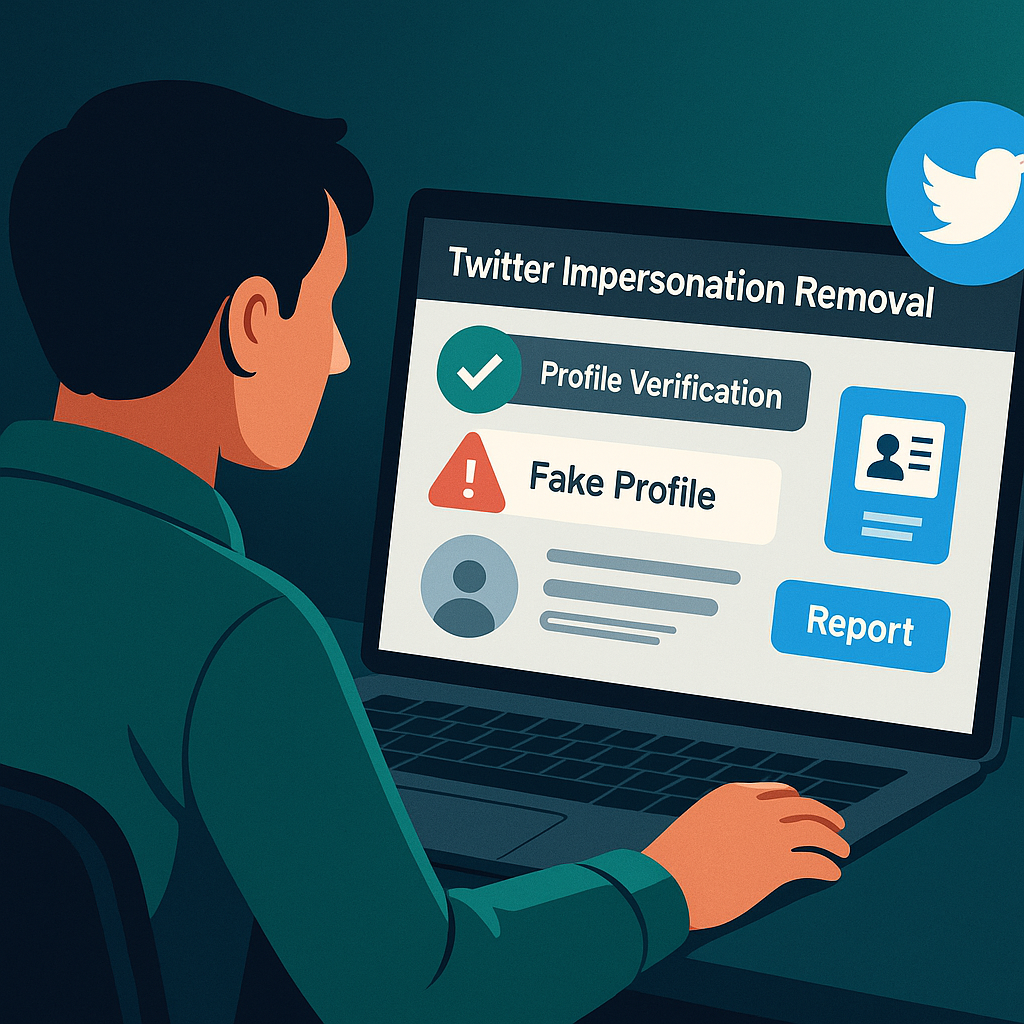
Use X's impersonation report, and learn the one rule that decides these cases. Parody, fan, and commentary accounts are allowed, but only when they say so. X's misleading and deceptive identities policy requires them to identify themselves in both the account name and the bio. A "parody" that copies your name and photo with no label anywhere is reportable. A clearly marked one usually is not.
You do not need your own X account to file an impersonation report; the form is open to the person or brand being targeted, or their representative. Paid verification has muddied the water further. When the European Commission fined X in December 2025, it found that on X "anyone can pay to obtain the 'verified' status without the company meaningfully verifying who is behind the account," which is precisely why a documented impersonation report now carries more weight than a blue tick.
Does mass reporting get an X account banned faster?
No. X publishes no policy stating that raw report volume drives enforcement; its documentation turns on whether the content genuinely breaks a rule. A hundred copy-paste flags on a lawful account change nothing, while a single well-evidenced report on a real violation can be enough on its own. You can still mass report a Twitter account, but the pile-on is not what moves the case. The evidence is.
There is a sting in the tail, too: coordinated false reporting breaks the X Rules and can rebound on the people organising it. That same myth is sold for every app, which is why a Telegram mass-report bot, a TikTok mass-report bot, an attempt to mass-report an Instagram account, and the perennial question of whether mass reporting works on YouTube all land in one place. Volume is theatre. Documented violations are not.
What should you check before paying for an X or Twitter ban service?
Treat the pricing and the promises as your first test. An honest provider charges for casework, the reviewing, documenting and filing, never a bounty "per ban," a guaranteed suspension, or a fixed success rate it has no power to control. The quickest tell is what a seller asks for and what it claims:
- Walk away if it guarantees a ban, sells reports in bulk, or wants your password or login code, which simply hands over your own account.
- Trust the ones that file only through official channels, insist on real evidence, and refuse lawful or private accounts outright.
- Stay sceptical of any "secret panel" said to bypass X review. No such backdoor exists, whatever the sales page shows.
The same checks apply whether you are weighing up a Telegram ban service, a TikTok ban service, a WhatsApp ban service, or an Instagram ban service. If you want a case sense-checked before anything is filed, our managed reporting solutions verify each one first and turn down the ones that go nowhere.
What happens after X suspends an account, and can it come back?
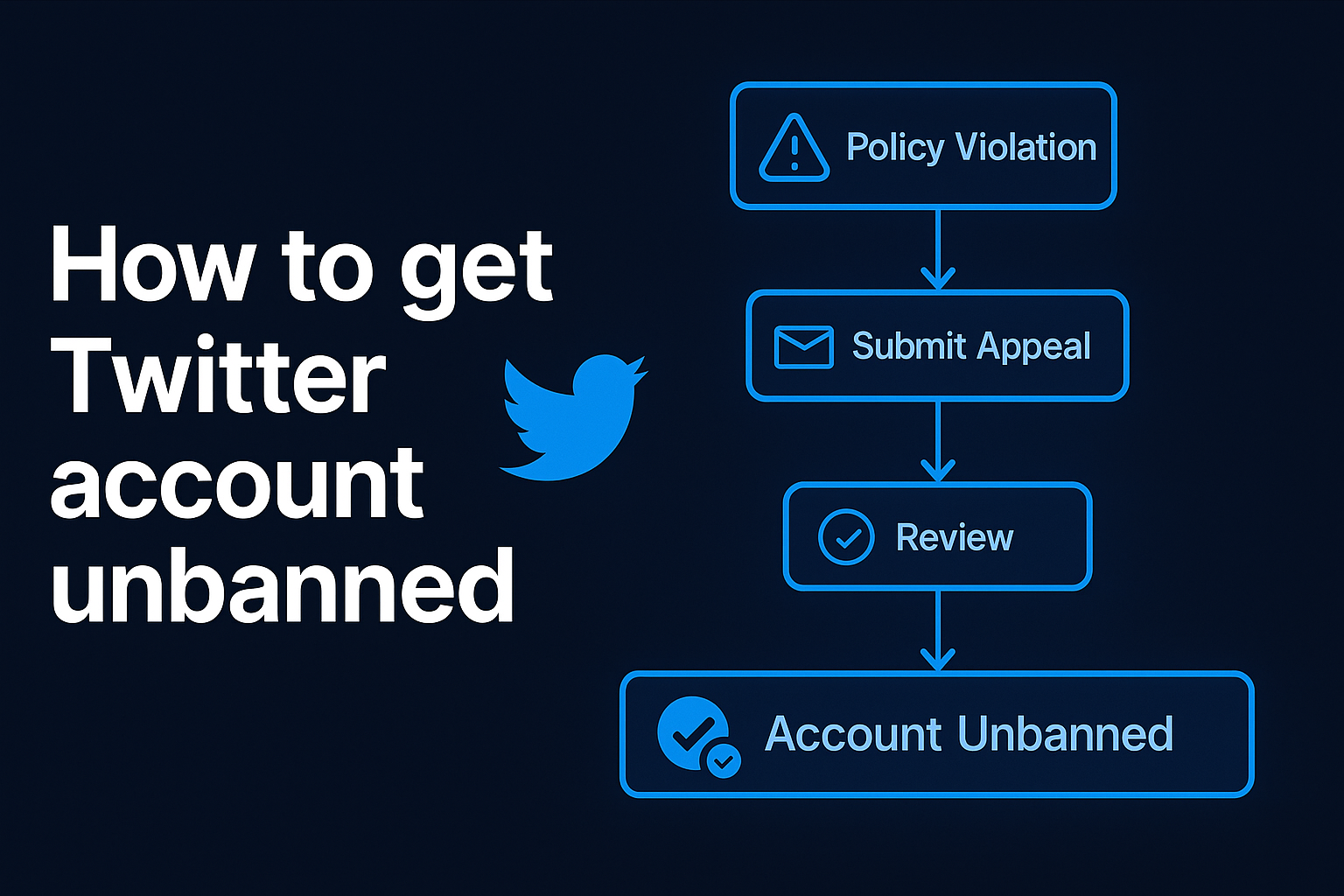
A suspension can be temporary or permanent, and X notifies the account holder, who can appeal it. A permanent suspension also bars that person from running other accounts; creating a fresh one to dodge it is ban evasion, which is itself grounds for removal. Do not expect a clean ending, though. X has reinstated a great many previously banned accounts since the 2022 ownership change, and because determined abusers spin up replacements, removing one profile is rarely the last word.
Keep your own side clean while you are at it. Reporting a real violation is legitimate; a knowingly false report, or a copyright claim you know to be false, is not, and it can carry liability under 17 U.S.C. § 512(f). Anything involving credible threats or child sexual abuse material should go straight to X's emergency reporting and to law enforcement, well before any paid service is involved. The principle travels across apps: whether you are trying to get someone banned on Instagram, banned on TikTok, or to get a WhatsApp number banned, genuine violations get actioned and invented ones do not. Got a verified case ready? Bring us the details and we will route it through official channels only.
What does X do to a reported account short of a full ban?
A suspension is the last rung, not the first. When a report is upheld, X usually reaches for something milder: a forced parody or sensitive-media label, a quiet cut in reach so the posts surface less, a temporary read-only lock that blocks posting until the user clears a step, or the removal of a single rule-breaking post while the account stays up. Repeat or severe breaches climb the ladder toward suspension. Knowing this saves disappointment, because most upheld reports end in a limit you may never notice from the outside rather than the profile disappearing.
Sources
- X DSA Transparency Report (accounts suspended and user-reported content)
- Our range of enforcement options — X Help Center
- Freedom of speech, not reach: enforcement philosophy (2023) — X Blog
- Misleading and deceptive identities policy (parody/fan labels) — X Help Center
- Platform manipulation and spam policy — X Help Center
- Commission fines X €120 million under the Digital Services Act (Dec 2025) — European Commission
- 17 U.S.C. § 512(f) — Legal Information Institute, Cornell Law
FAQ
Can you really pay to ban a Twitter or X account?
You can pay a service to report one, not to delete it. A legitimate X ban service only files evidence on accounts that genuinely break the X Rules, and X makes the final call. Anyone guaranteeing a suspension, quoting a success rate, or asking for your password is selling a scam.
Do you need an X account to report an impersonation?
No. X's impersonation report is open to the person or brand being impersonated, or an authorised representative, even without an X account. Send your real identity or trademark proof and the impersonating profile's link so a reviewer can act on it.
Can mass or false reporting get my own account suspended?
It can. Coordinated false reporting breaks the X Rules and can penalise the accounts taking part, and a knowingly false copyright claim carries legal risk. Report only genuine violations, with evidence, through X's official channels.
How long does X take to act on a reported account?
There is no published deadline. Clear, well-evidenced violations can be reviewed in a few days, while impersonation and copyright claims take longer because identity is verified. Report volume does not speed this up; evidence quality does.