Does mass reporting work on YouTube — and what actually removes a channel?
Mass reporting does not work on YouTube the way panels and bots promise. YouTube reviews each flagged video or channel against its Community Guidelines and removes it only when a genuine violation exists — the raw number of reports is ignored. One accurate report outweighs thousands of coordinated, empty ones.
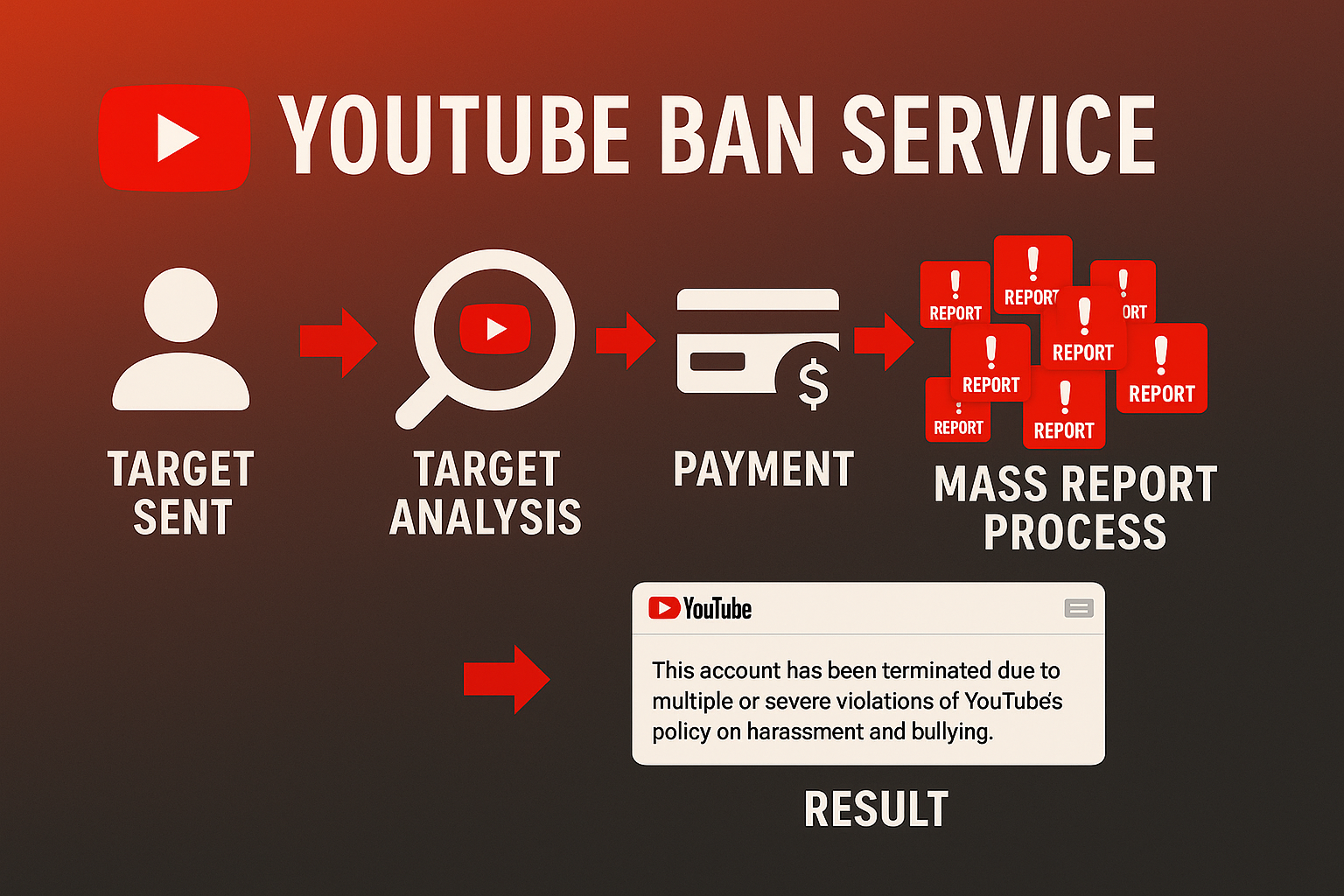
Does mass reporting work on YouTube?
No — not in the sense the people selling it mean. Mass reporting YouTube channels is the practice of having many accounts flag the same target at once, in the belief that volume forces a takedown. It doesn't. YouTube treats a flag as a request for review, not a vote, so a queue of identical complaints about content that breaks no rule simply resolves to nothing.
The platform states this plainly. "When content is reported, it's not automatically taken down," its Help Center explains, and "if our review team doesn't find any violations, no amount of reporting will change that," per YouTube's guidance on reporting content. The mechanism is the same one that defeats coordinated complaints elsewhere — it is why mass reporting a Twitter account rarely lands either. A real violation gets actioned. A pile-on gets read as noise.
How many reports does it take to delete a YouTube channel or video?
There is no magic number, because YouTube does not tally reports to decide a takedown. Queries like "how many reports to delete a channel" assume a threshold — 50, 500, 5,000 — that does not exist. Whether you try to mass report a YouTube channel or mass report a YouTube video, every flag routes the same content into the same review against the same Community Guidelines.
So the honest answer is: as many as it takes to surface one real breach, which is often a single report. One well-evidenced flag of a genuine scam channel can be enough on its own; ten thousand flags of a lawful upload achieve nothing but wasted effort. Note also that reporting a channel reviews its handle, banner and description, not its uploads — a rule-breaking video has to be reported separately, on the video itself.
How does YouTube actually decide what to remove?
YouTube decides with a blend of machine-learning classifiers and human reviewers, and the machines almost always move first. User reports are one input, and a minor one. As far back as late 2020, YouTube reported that automated systems flagged 94% of the violative content it removed, with 75% taken down before reaching even 10 views, according to YouTube's own enforcement data. By the time a human brigade assembles, the software has usually already acted — or already cleared the content as fine.
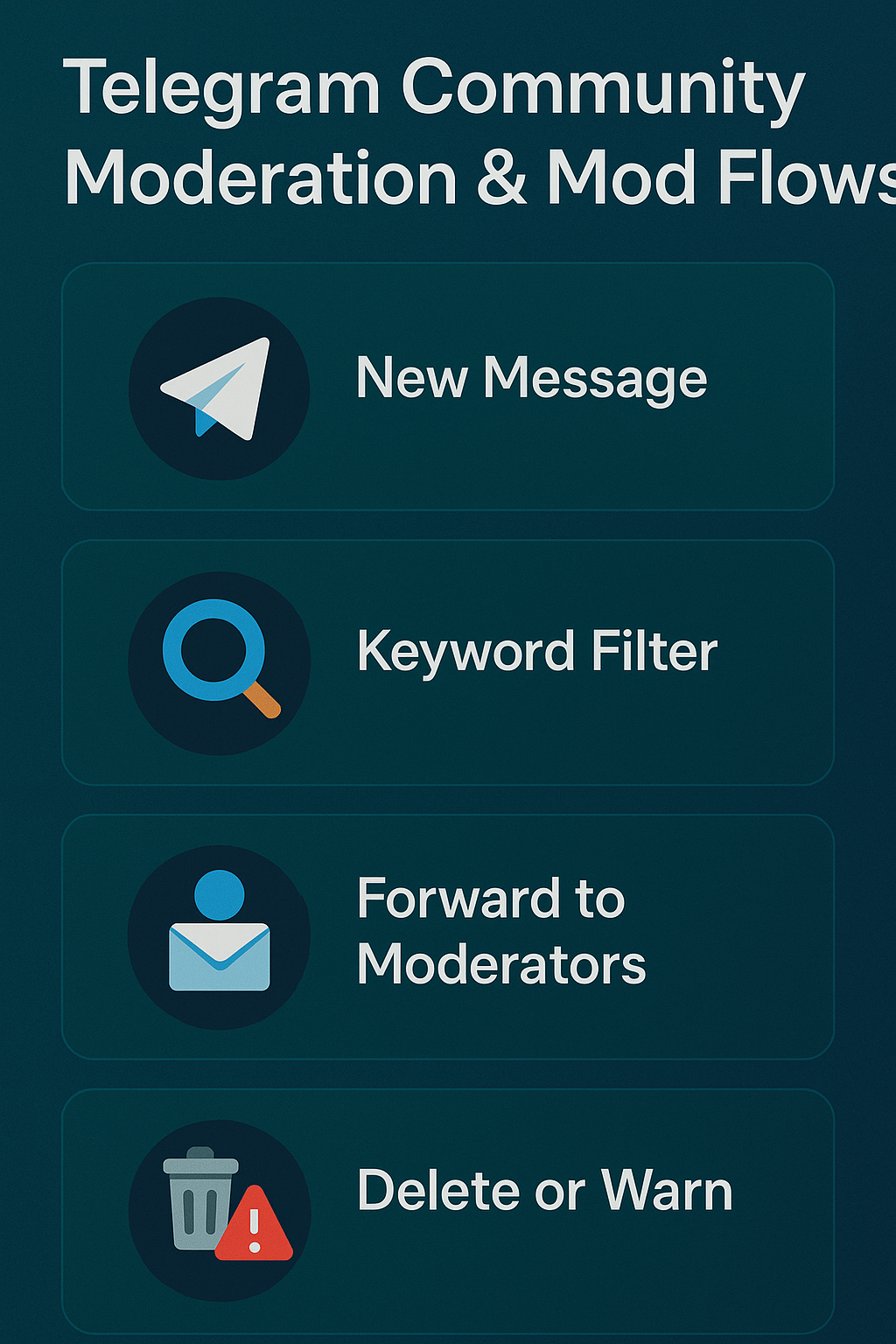
Even YouTube's most trusted reporters get no shortcut to removal. Members of the Priority Flagger Program (formerly Trusted Flagger) have their reports prioritised in the review queue, yet those flags are weighed against the identical Community Guidelines as any viewer's, and nothing is auto-removed. If vetted institutional flaggers cannot force a takedown, a rented swarm of throwaway accounts has no chance.
Strikes vs copyright strikes vs Content ID — why report count triggers none of them
None of YouTube's three enforcement tracks responds to report volume, and people mix them up constantly. A Community Guidelines strike comes from content a reviewer confirms breaks a content policy. A copyright strike comes from a valid legal removal request filed by the actual rights holder. A Content ID claim is an automated copyright match that usually just redirects ad revenue and is not a strike at all. Flag volume cannot manufacture any of the three.
| Enforcement track | What triggers it | Can report volume cause it? |
|---|---|---|
| Community Guidelines strike | A reviewer confirms the content breaks a content policy | No — only a verified violation |
| Copyright strike | A valid legal removal request from the rights holder | No — only the owner can file one |
| Content ID claim | An automated match to a rights holder's reference file | No — it is automated, not user-flagged |
On the Community Guidelines track the escalation is fixed. The first violation is usually a warning; a first strike then freezes uploads for one week, a second strike inside the same 90-day window for two weeks, and three strikes within that 90-day period can remove the channel permanently, per YouTube's strike-basics documentation. Each strike expires after 90 days. A crowd cannot add a strike a reviewer never had cause to issue.
How do you mass report a YouTube channel the legitimate way?
The legitimate version is straightforward: every person who genuinely witnessed the violation reports it themselves, accurately, through YouTube's built-in tools. There is no group button and no "mass" feature. So here is how to mass report a YouTube channel the right way — meaning how a set of real witnesses each files one honest report about the same genuine problem.
- Open the channel or the specific video, tap the three-dot menu, and choose Report.
- Pick the precise reason — scam or fraud, impersonation, hateful or harassing content, dangerous acts — that truly matches what you saw.
- Report the video and the channel separately when both break a rule, since a channel report only covers the profile, not its uploads.
- Attach context: timestamps, links, and the exact policy broken. Evidence discipline is what actually moves a review — the same habit behind reporting an online scam properly.
- Submit once, then leave it. Firing the same complaint again and again is the misuse YouTube acts against, not the signal it rewards.
That evidence-first approach is universal. It is the same whether you report a rule-breaker on Instagram, report a TikTok account, get a WhatsApp number banned, or get a rule-breaking X account suspended.
Is a YouTube mass report bot or tool real — and is it safe?
Yes, a YouTube mass report bot is a real product you can buy or download; and no, none of them can ban a channel. What they reliably do is put you in danger. The pitch is always the same: rotating proxies, dozens of fake accounts, randomised delays — automation that "fires hundreds of reports." A reviewer still has to find a genuine violation, so the output is a bigger pile of noise, not a takedown.
Free YouTube mass report tools vs paid panels
The "free" downloads are the most dangerous of all. A free YouTube mass report tool that asks you to log in or paste a session cookie is usually hunting your credentials. Security firm Cyble has documented "YouTube bot" downloads bundling info-stealer malware that harvests saved logins, cookies and wallets, detailed in its report on fake YouTube bots. The identical code gets rebranded endlessly as a Telegram mass report bot or a TikTok mass report bot, with the same hollow result. And because automating reports breaks YouTube's Terms of Service — which forbid accessing the service with "robots, botnets or scrapers" — running any mass report bot YouTube panel risks your own channel. A legitimate operation runs the opposite way: like a credible Telegram ban service or TikTok ban service, it proves a real breach instead of manufacturing volume.
How do you appeal a wrongful YouTube strike or termination?
If a false report wave hits your channel, the fix is the appeal, not panic — and frequently there is nothing to fix, because a strike only lands when a reviewer confirms a real violation. When a mistake does happen, open YouTube Studio, find the violation notice under your channel's policy section, and submit the appeal so a human re-reviews the decision, as set out in YouTube's appeal guidance.
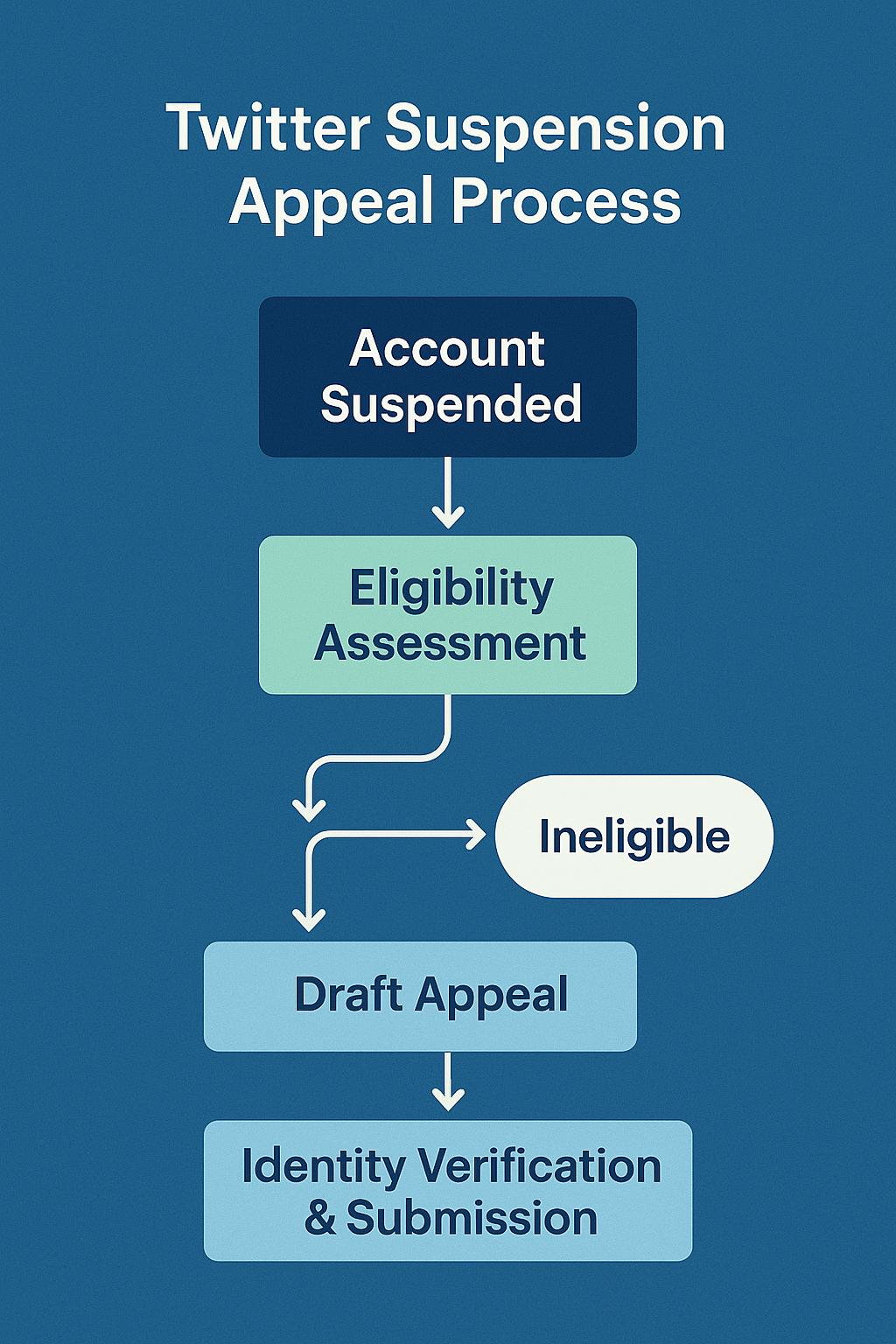
Two cautions matter. Do not delete the flagged upload before you appeal — on the copyright track especially, removing the video can forfeit your route to challenge it. And keep your original files, since a strike expires on its own after 90 days but a successful appeal clears it sooner. If your account is locked in error, the in-app appeal with your evidence attached is the fastest honest path back.
When a case is genuine but stuck — a persistent impersonator, an active scam channel, or a wrongful strike you cannot reverse alone — you can get help documenting the violation and filing it through YouTube's official channels. We verify every case first and act only on real breaches. See our reporting solutions or tell us what happened.
Sources
- Report inappropriate content and what happens after flagging — YouTube Help
- Community Guidelines strike basics — YouTube Help
- Copyright strike basics — YouTube Help
- Priority Flagger Program (formerly Trusted Flagger) — YouTube Help
- Appeal Community Guidelines actions — YouTube Help
- 94% of removed content first flagged by automation — YouTube Official Blog
- Fake "YouTube bots" carrying information-stealing malware — Cyble
FAQ
Can you see who reported you on YouTube?
No. Reporting on YouTube is anonymous, and a creator is never shown who flagged their channel or video. The one exception is a copyright or legal complaint, where the claimant's details are shared as part of the formal process, because the law requires the parties to be identifiable.
How long do YouTube strikes last, and what happens at three?
Each Community Guidelines strike stays on a channel for 90 days, then expires. A first strike freezes uploads for one week, a second within the same window for two weeks, and three strikes inside one 90-day period can permanently remove the channel. Deleting the video does not clear the strike.
Is using a YouTube mass report bot against the Terms of Service?
Yes. YouTube's Terms forbid accessing the service through robots, bots or scrapers, so automating reports can get your own channel suspended. The bot also will not work, because reviewers still need a real violation, and many free bot downloads are credential-stealing malware.
Can you get banned for false or coordinated reporting on YouTube?
Abusing the reporting tools, by filing knowingly false flags or organising a brigade, can break YouTube's policies and put your own account at risk. Reporting a genuine violation you witnessed is always fine; coordinating empty complaints to harass a creator is not, and it rarely achieves anything.
Does reporting a YouTube video actually do anything?
Yes, when the report is genuine. A flag sends the video for review against the Community Guidelines, and it is removed if a reviewer finds a real violation. It is not auto-deleted, and report count is irrelevant: one accurate, documented report does more than thousands of duplicates.